Designing for the Web, Not Just the Screen
The Jellyfish project began with a simple challenge: how do you teach designers to create digital advertising that works in a modern, interactive environment rather than simply producing static artwork?
Over a two-year period, I worked with Jellyfish Training to develop and deliver a comprehensive Adobe Photoshop and Animate Web Banners course, designed around the realities of contemporary digital advertising and emerging HTML5 standards.
The course moved beyond simply teaching software features. Learners were introduced to the complete process of developing animated advertising assets — from creating and preparing artwork in Photoshop through to animation, optimisation, interactivity and final deployment.
From Creative Assets to Interactive Banners
A major part of the course focused on understanding how traditional graphic-design principles translate into digital advertising.
Learners explored:
- Creating and preparing artwork in Adobe Photoshop
- Animation principles and timing
- Building animated content in Adobe Animate
- HTML5 banner workflows
- Asset optimisation for web delivery
- Responsive banner design
- JavaScript-based interactivity
- Performance considerations and file-size optimisation
- Designing for different advertising formats and screen sizes
- Preparing assets for real-world digital campaigns
Rather than relying entirely on fictional exercises, the training incorporated real-world client-style briefs, allowing participants to experience a workflow much closer to that of a working digital agency.
Bringing Agency Workflows Into the Classroom
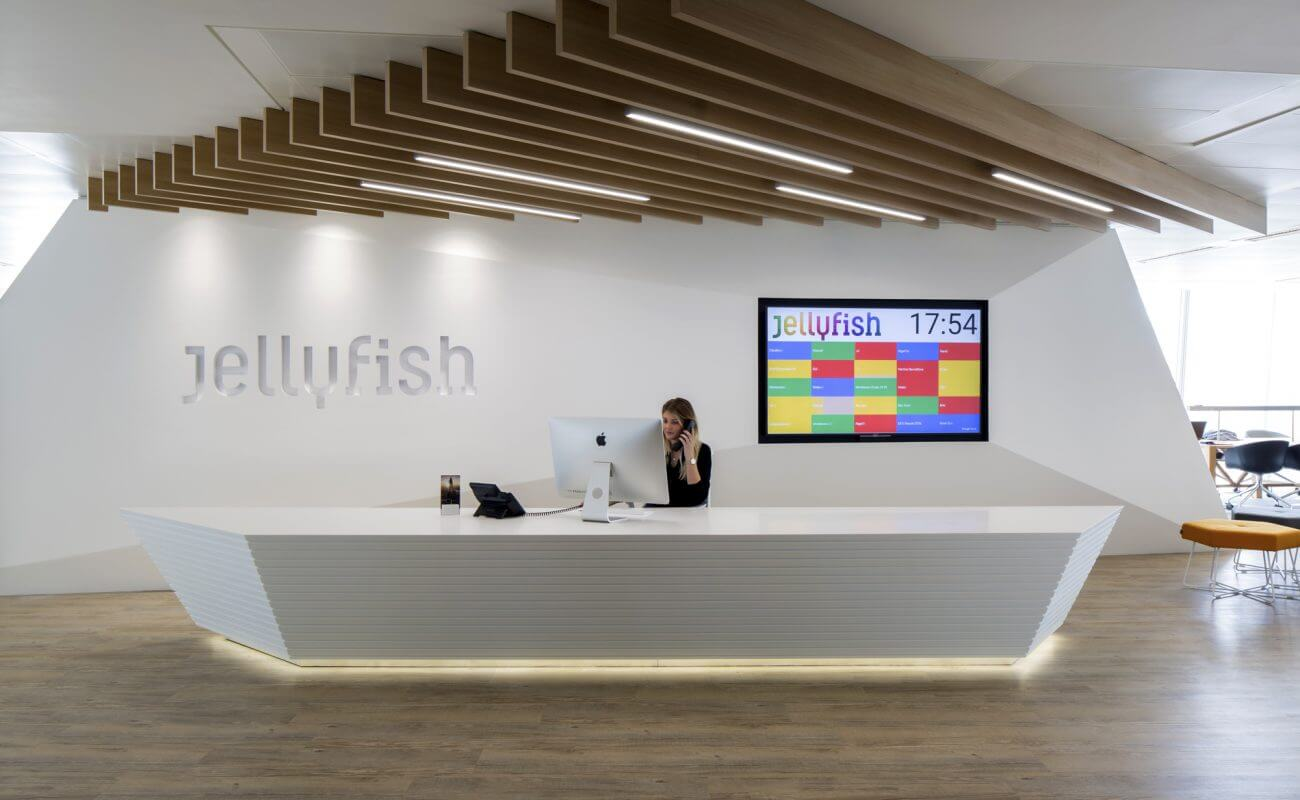
The training environment at Jellyfish was fast-paced and highly collaborative, with professionals working through practical challenges rather than simply following software demonstrations.
The course handbook and supporting instructional materials were developed alongside the programme, creating a structured learning journey that participants could use both during and after the training.
The aim was to bridge the gap between learning the tools and actually producing work for clients — something particularly important when working with experienced designers and digital professionals.
Training at The Shard
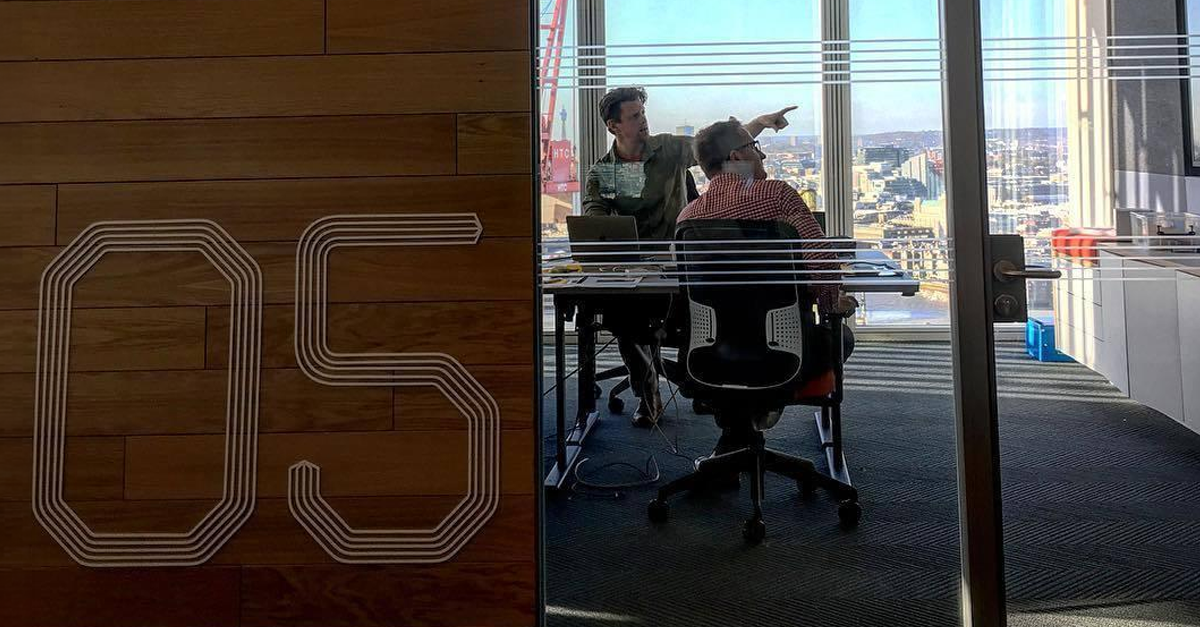
There was also something quite memorable about delivering the training from the 22nd floor of The Shard.
Working above London provided an appropriate setting for a course centred around the rapidly evolving world of digital advertising. The learners brought their own professional experience and perspectives into the room, creating an energetic environment where technical instruction could be combined with discussion around design, advertising and emerging digital trends.
For me, the Jellyfish project was particularly valuable because it wasn't simply a case of delivering an existing course. I was involved in developing the learning experience itself, researching the technology, structuring the curriculum, producing the handbook and then testing those ideas through live delivery.
That combination of creative practice, instructional design and professional training is what made the Jellyfish project such an important part of my development as a digital educator.